Natural Nutrient Sources for Men's Health
Educational Content Only. No Promises of Outcomes.
Introduction to Men's Nutrition
Understanding the role of nutrients in the human body is fundamental to informed dietary choices. This resource provides educational information about naturally occurring vitamins, minerals, and other nutritional compounds found in food.
Nutrients serve specific biological functions in metabolism, energy production, immune function, and various physiological processes. Different foods contain varying concentrations and combinations of these compounds. The information presented here describes scientific facts about nutrient roles and natural food sources.
Individual nutritional needs vary based on numerous factors. This content is presented for informational purposes only and does not constitute medical advice or personalized recommendations.
Key Nutrients Chart
The following table presents common nutrients, their biological roles, and examples of natural food sources:
| Nutrient | Biological Role | Natural Sources |
|---|---|---|
| Omega-3 Fatty Acids | Support cardiovascular and brain function, reduce inflammation | Fatty fish (tuna, salmon), flaxseeds, walnuts |
| Zinc | Supports immune function, protein synthesis, cell division | Oysters, beef, pumpkin seeds, chickpeas |
| Magnesium | Essential for muscle function, energy production, protein synthesis | Spinach, almonds, dark chocolate, pumpkin seeds |
| Vitamin K | Involved in blood clotting and bone metabolism | Kale, spinach, broccoli, cabbage |
| Vitamin B Complex | Support energy metabolism and nervous system function | Eggs, chicken, legumes, whole grains, leafy greens |
| Antioxidants | Help neutralize free radicals, support cellular health | Berries, dark chocolate, pomegranate, colorful vegetables |
| Dietary Fiber | Support digestive health and metabolic function | Whole grains, beans, lentils, fruits, vegetables |
Natural Food Sources - Product Examples
The following examples illustrate how different natural foods serve as sources of specific nutrients:

Tuna - Omega-3 Fatty Acids
Fatty fish such as tuna are recognized sources of omega-3 fatty acids. These compounds are studied for their role in supporting cardiovascular and cognitive function. Tuna contains EPA and DHA, omega-3 variants found naturally in marine sources.

Cashews - Magnesium Content
Cashew nuts are examples of plant-based sources of magnesium. This mineral plays roles in muscle function and energy metabolism. Magnesium is involved in hundreds of enzymatic reactions in the body's normal functioning.
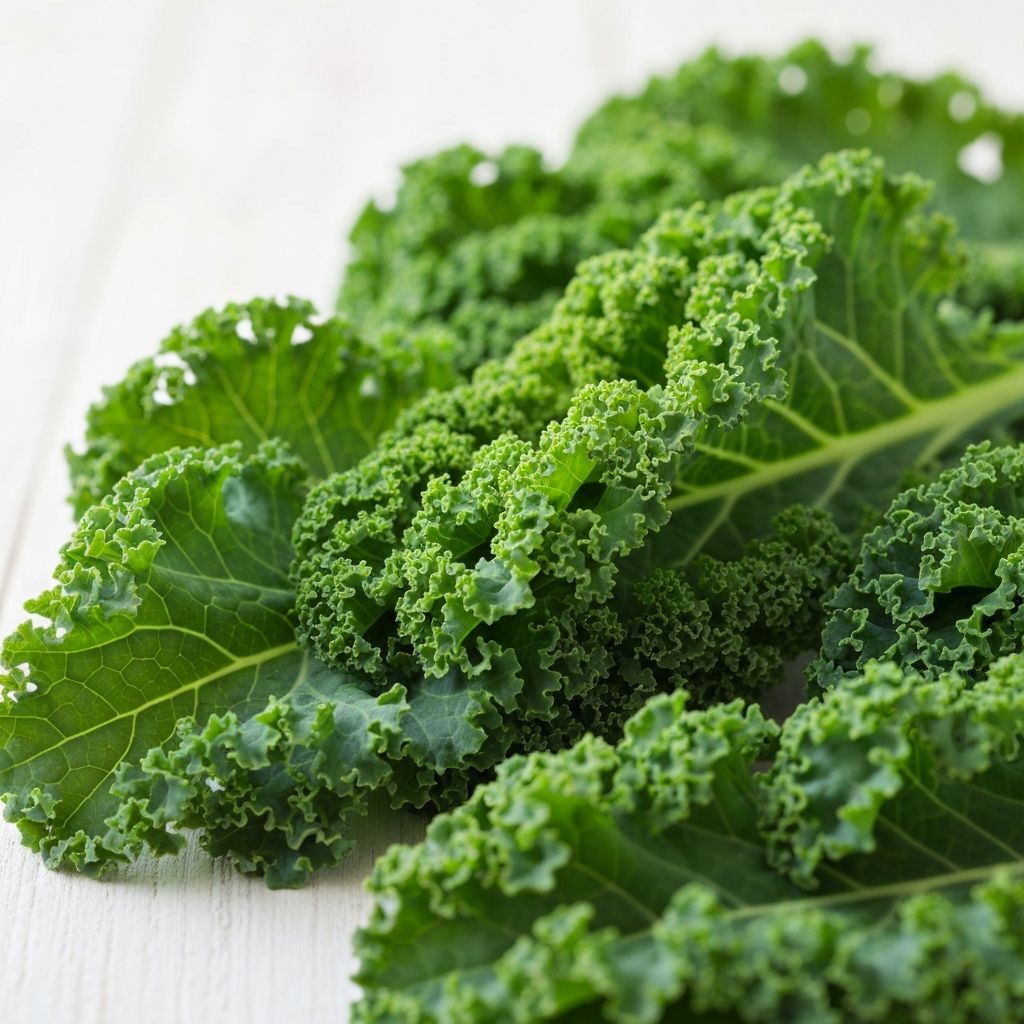
Kale - Vitamin K
Kale is a leafy green vegetable known for high vitamin K content. Vitamin K participates in bone metabolism and blood coagulation processes. The concentration of vitamin K in kale exemplifies nutrient density in plant sources.
Natural Sources of Zinc
Zinc is a mineral involved in multiple physiological processes, including immune response, protein synthesis, and cell division. Different foods provide varying amounts of this micronutrient:

Animal sources: Oysters contain exceptionally high zinc levels. Beef, poultry, and dairy products also provide significant amounts. These sources offer bioavailable zinc.
Plant sources: Pumpkin seeds, chickpeas, lentils, and cashews provide zinc. Plant-based zinc has different absorption characteristics compared to animal sources.
Zinc concentrations vary by food type and preparation method. Individual absorption efficiency depends on numerous dietary and physiological factors.
Magnesium in Foods
Magnesium is an essential mineral participating in energy production, muscle function, and protein synthesis. It appears naturally in various foods:

Leafy greens: Spinach, kale, and other dark leafy vegetables are recognized as magnesium sources. Chlorophyll molecules in these plants contain magnesium.
Nuts and seeds: Almonds, cashews, pumpkin seeds, and sunflower seeds contain measurable magnesium amounts.
Other sources: Dark chocolate, legumes, and whole grains provide additional dietary magnesium. The body's magnesium needs and absorption rates vary among individuals.
Vitamin B Complex Sources
B vitamins support energy metabolism and nervous system function. These water-soluble vitamins are found across diverse food categories:
B1 (Thiamine): Whole grains, pork, legumes, and seeds provide thiamine. This vitamin supports carbohydrate metabolism.
B2 (Riboflavin): Eggs, almonds, mushrooms, and leafy greens contain riboflavin. It participates in energy-producing metabolic pathways.
B3 (Niacin): Chicken, tuna, turkey, and peanuts are niacin sources. This vitamin is involved in DNA repair and cellular energy.
B5 (Pantothenic Acid): Mushrooms, eggs, and avocados provide pantothenic acid. It supports hormone and cholesterol production.
B6 (Pyridoxine): Chickpeas, salmon, and potatoes offer pyridoxine. This vitamin supports amino acid metabolism.
B12 (Cobalamin): Animal products including meat, fish, eggs, and dairy are B12 sources. This vitamin is essential for nervous system function and red blood cell formation.
Folate (B9): Leafy greens, legumes, and asparagus contain folate. It supports cell division and DNA synthesis.
Antioxidant-Rich Foods
Antioxidants are compounds that help neutralize free radicals in the body. Various foods provide different antioxidant compounds:
Flavonoids and anthocyanins: Blueberries, blackberries, and cranberries contain these water-soluble antioxidants. Their deep colors indicate high antioxidant concentrations.
Polyphenols: Dark chocolate and green tea provide polyphenolic compounds. These are studied for their potential effects on oxidative stress.
Carotenoids: Carrots, sweet potatoes, and tomatoes contain beta-carotene and lycopene. These fat-soluble compounds support vision and cellular health.

Vitamin C: Citrus fruits, bell peppers, and broccoli are vitamin C sources. This water-soluble antioxidant supports immune function and collagen synthesis.
Vitamin E: Almonds, sunflower seeds, and vegetable oils provide tocopherols. This fat-soluble antioxidant protects cell membranes.

Dietary Fiber Benefits
Dietary fiber refers to carbohydrate compounds that resist digestion in the small intestine. It plays important roles in digestive health:
Soluble fiber: Oats, legumes, and certain fruits contain soluble fiber. These compounds dissolve in water and support digestive processes.
Insoluble fiber: Whole grains, vegetables, and nuts provide insoluble fiber. This type supports intestinal movement and digestive health.
Natural fiber sources include whole grains, beans, lentils, fruits, and vegetables. Fiber content varies significantly among different foods and preparation methods. Individual fiber needs and tolerance vary based on overall diet and digestive adaptation.
Hydration Importance
Water is essential for numerous physiological functions including temperature regulation, nutrient transport, and waste elimination. The human body's water requirements vary based on multiple factors:

Individual variation: Activity level, climate, body composition, and health status affect water needs. There is no universal guideline applicable to all individuals.
Water sources: Drinking water is the primary hydration source. Beverages and water-containing foods (fruits, vegetables) also contribute to total fluid intake.
Hydration indicators: Thirst is a natural indicator of hydration needs. Urine color can provide additional information about hydration status.
Adequate hydration supports metabolic function, cognitive performance, and physical capability. Individual hydration needs should be determined based on personal circumstances and preferences.
Seasonal Produce Guide
Different foods are naturally available during specific seasons. Seasonal eating aligns consumption with natural availability and nutrient variation:

Spring: Asparagus, spinach, peas, and artichokes emerge as fresh spring produce. These vegetables are recognized sources of vitamins and minerals.
Summer: Berries, tomatoes, peppers, and zucchini reach peak availability. These foods provide diverse antioxidants and vitamins.
Fall: Squash, apples, pears, and leafy greens become prominent. These foods offer various micronutrients and fiber.
Winter: Root vegetables, citrus fruits, and cruciferous vegetables provide winter nutrition. Stored produce and preserved foods extend availability.
Seasonal variation affects nutrient density and availability. Consuming diverse foods across seasons supports varied nutrient intake.
Nutrient Interactions
Nutrients do not function in isolation. Various interactions affect their absorption, utilization, and efficacy:
Synergistic effects: Vitamin C enhances iron absorption from plant sources. Vitamin D improves calcium absorption. Fats enhance absorption of fat-soluble vitamins (A, D, E, K).
Antagonistic effects: Calcium can inhibit iron absorption when consumed simultaneously. Phytates in some grains may reduce mineral bioavailability. Individual component ratios affect overall nutrient balance.
Timing considerations: The sequence and timing of nutrient consumption may influence absorption. Meals containing diverse nutrients typically provide more comprehensive nutritional benefit.
Individual variation: Digestive health, genetic factors, and overall diet composition influence nutrient interactions. Individual response to specific nutrient combinations varies significantly.
Diverse, whole-food-based diets generally provide optimal nutrient interactions compared to isolated nutrient approaches.
Research Summary
Scientific investigation of nutritional compounds continues to expand understanding of nutrient roles and food sources. Current research examines:
Bioavailability studies: Research explores how different food combinations and preparation methods affect nutrient absorption.
Mechanism investigations: Scientists continue examining the biological pathways through which specific nutrients function.
Population studies: Large-scale research examines dietary patterns and health outcomes across diverse populations.
Emerging research: New compounds and lesser-known nutrients continue to attract scientific attention.
Scientific consensus evolves as new evidence emerges. This information reflects current scientific understanding and is provided for educational context.
This website provides educational content only. The information presented here is intended to explain the roles of nutrients, describe food sources, and provide general factual information about nutrition and health-related topics.
This content does not constitute: Medical advice, personalized recommendations, diagnosis, treatment guidance, or professional medical consultation. Individual nutritional needs vary based on age, sex, activity level, health status, medications, and numerous other factors.
Individual variation: People respond differently to dietary changes based on genetics, digestive health, metabolism, and overall lifestyle. What applies to general populations may not apply to individual circumstances.
Professional consultation: Individuals with specific health concerns, medical conditions, or taking medications should consult qualified healthcare professionals for personalized guidance. This content should not replace professional medical advice.
Explore Additional Information
Educational content only. No promises of outcomes.
Learn More About Nutrients